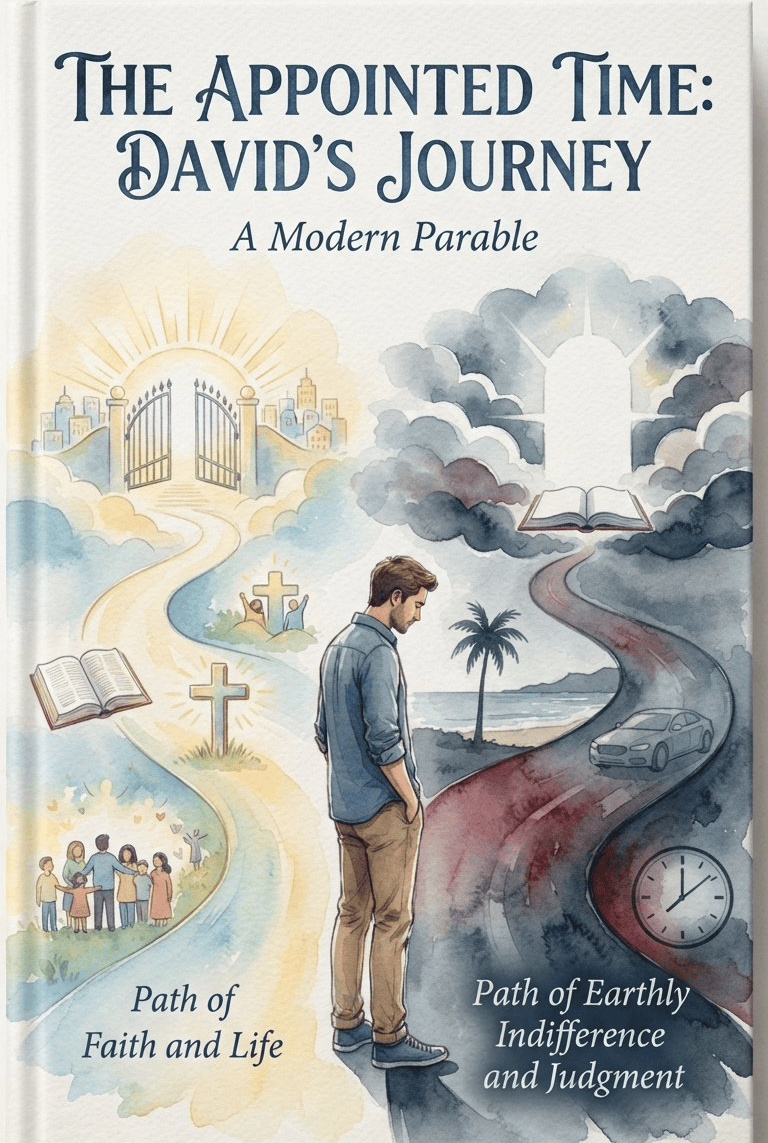


The Picture-Perfect Coastline
David had a life that looked exactly like a southern California dream. He lived in a bright, modern condo in San Clemente, right where the ocean air always felt fresh and cool. He drove a clean, reliable car that he kept washed and vacuumed, and he earned a solid, steady living working at Costco. It wasn’t a glamorous corporate job, but it was reliable, paid well, and he genuinely enjoyed his coworkers and the steady rhythm of the days.
On the weekends, you could usually find him out under the sun. David loved trying out new restaurants along the coast—hunting for the best street tacos or a great smash burger—and he regularly met up with a close, great group of friends who had known him for years. He had wonderful parents who lived close enough to visit, and he was the kind of guy who never forgot to call them on Sundays. He was naturally polite and friendly, the type of neighbor who smiled and held the door for anyone carrying groceries.
When the sun began to dip low in the sky, his favorite routine was taking long walks on the beach, watching the waves crash against the pier. Walking along the sand, he’d think about how good he had it. His life wasn’t perfect, but he certainly couldn’t complain.
Lately, things had gotten even brighter. He had met a girl online, and they had been talking quite frequently. They shared the same humor, texted throughout the work day, and David felt a genuine spark growing. He felt ready to take things to the next step and was actively planning a date to finally meet her in person. Everything was lining up.
The Invite in the Breakroom
It was on an ordinary Tuesday during a lunch break at Costco that the conversation came up. A coworker named Mike, who often talked about his faith, noticed David scrolling through his phone with a smile.
“You look like a guy with a plan,” Mike said, pulling up a chair.
David laughed and admitted he was planning a first date at a new seaside bistro. The conversation drifted from dating to future goals, and eventually to deeper things. Mike shared how his own life had been completely transformed by the gospel—how knowing Jesus as his savior gave him a peace that a good job, a nice car, or a beachside condo could never match.
“The Bible says our life is like a vapor, David,” Mike said gently, echoing James 4:14. “It’s here for a little moment and then vanishes. All these great things we enjoy are blessings, but if we don’t have Christ, we’re building on sand. Have you ever really thought about where you stand with God?”
David listened politely. He didn’t scoff or argue. He smiled his standard, friendly smile and said, “I think it’s great that works for you, Mike. Honestly, my life is pretty good. I try to be a good person, treat people right, and look out for my family. I think if there’s a God, He and I are fine.”
Mike pressed a bit further, explaining that being “good” doesn’t wash away sin, and that Jesus offered a free gift of rescue that required a choice to accept and follow Him. But David’s phone buzzed with a new text from the girl he was talking to. He looked down, smiled, and stood up. “Gotta get back to the floor, Mike. Thanks for the chat, though.”
David pushed the words out of his mind. He didn’t hate God; he just didn’t think he needed Him. He had a condo, a great friend group, a blooming romance, and plenty of time.
The Abrupt End
Two nights later, after a long walk on the San Clemente beach, David came home to his condo. He poured a glass of water, sat on his couch, and opened his phone to message the girl about meeting up that weekend.
Suddenly, a sharp, crushing pain tore through his chest. The phone slipped from his hand, bouncing onto the rug. He gasped for air, but his lungs wouldn’t cooperate. His vision blurred, the walls of his beautiful condo began to fade, and within moments, David’s earthly life was over.
In an instant, the Costco job, the nice car, the restaurant bucket list, and the excitement of a new relationship were gone. He left behind a grief-stricken friend group and heartbroken parents, stepping directly into the reality he had politely ignored.
The Accounting
Instead of non-existence, David found himself fully conscious in a stark, overwhelming reality. The casual indifference he wore like armor on earth dissolved under the absolute holiness of God.
As Jesus described in the gospels regarding those who hear His words and do not put them into practice (Matthew 7:26-27), the foundation David built his life upon—self-reliance and procrastination—collapsed completely. There was no second chance granted after death (Hebrews 9:27), no purgential reset, and no excuse left to offer. He remembered every clear warning he had brushed off, and the memory burned with the weight of willful neglect.
In the gospels, Jesus spoke about a man who built a beautiful, comfortable house, but built it on the sand without a foundation. When the storm hit, the house fell, and “great was its fall” (Matthew 7:26-27). David realized with overwhelming dread that his “pretty great” life had been that house of sand. His friendliness, his politeness, and his clean record at work could not stand under the perfect holiness of God.
Jesus also told a story in Luke 12 about a “rich fool” whose lands produced abundantly, who thought to himself, “Soul, you have many goods laid up for many years; take your ease; eat, drink, and be merry.” But God said to him, “Fool! This night your soul will be required of you.”
David had lived exactly like that man—not because he was evil or cruel, but because he let the good things of the world blind him to the most important thing. He had heard the truth from Mike in the breakroom, but he had chosen his comfort over Christ.
Every corner of the cosmos whispered the truth he had tried so desperately to ignore. From the precise rotation of the planets to the intricate, microscopic codes within a strand of DNA, all of creation screamed the reality of a Master Designer. The vast majesty of the ocean where he would take his evening walks, and the quiet rhythm of a heartbeat that beat inside his chest no longer, were not accidents of a chaotic universe; they were the unmistakable fingerprints of God.
As the truth settled over David, he realized that humanity’s collective blindness was entirely willful. The invisible attributes of the Creator—His eternal power and divine nature—had been on brilliant display since the dawn of time, woven directly into the fabric of everything that had been made. Standing before the overwhelming evidence of the sky and the earth, no one could plead ignorance, and David knew he was utterly without excuse.
The stark reality of Jesus’ story about the rich man and Lazarus suddenly flashed through David’s mind with terrifying clarity. He had always viewed himself as a man of status, yet it was the broken, desperate beggar—the one with absolutely nothing to offer—who was carried by angels to Abraham’s side.
As David looked at those who were “making it” into heaven, he realized with a jolt that salvation had never been a reward for merit. It belonged to the broken-hearted. They were entering the gates the exact same way the dying thief on the cross had—with no time left to do good works, no religious credentials to flash, and nothing but a raw, desperate cry for mercy. While David had spent a lifetime trying to purchase his way in with his own righteousness, these souls had simply relied on the unmerited grace of a Savior, leaving David standing empty-handed at the threshold.
He stood before the ultimate judgment described in Revelation (Revelation 20:11-15). There was no crowd to hide behind; he stood before a great white throne and Him who sat on it, from whose face the earth and the heaven fled away. The books were opened, exposing every secret motive and every moment of his life. David saw his own name omitted from the Book of Life, realizing with crushing clarity that he had not been condemned by surprise, but by his own choice to ignore the open door when it was set before him.
The devastating logic of his mistake collapsed on him all at once: if entering heaven was a matter of human goodness, then a Savior was entirely pointless. If a person could stack up enough good deeds, rituals, and clean living to clear their own debt, then Christ’s agonizing death on the cross was nothing more than a tragic waste. The stark reality hit David like a physical blow. He had spent his entire life treating the Almighty like a cosmic accountant, carefully balancing a ledger of his own morality, only to realize he had completely missed the core of the Gospel.
For decades, he had prided himself on being a good man, yet that very pride had blinded him to his desperate need for rescue. How could he have been so utterly wrong for so long? The crushing weight of a wasted, self-righteous life settled over him, leaving him stripped of his illusions and desperately broken.
David suddenly understood the warning Jesus gave in Matthew 7 about the narrow gate, where the way to life is hard and difficult to find, while the gate to destruction is wide and heavily traveled. Just like those who choose the easy, crowded path only to find themselves locked out, David realized he had bypassed the only true entrance, and he was entirely without excuse. He remembered the warning in Matthew 25 where the foolish virgins knocked on the door after it was already shut, only to hear the Lord say, “I do not know you.” The terrifying truth of Luke 13:25-27 pierced him—he had lived parallel to the truth, known about the Lord, eaten and drank in His world, but he had never known Him.
As he faced the final judgment, there were no arguments left to make. The finality of his choice settled over him. He had spent his life walking away from the Creator to pursue his own path, and now, he was given exactly what he had chosen: an eternity completely separated from the presence, love, and light of God (2 Thessalonians 1:8-9).
The final judgment David now faced was not a negotiation; it was the ultimate, unyielding accounting of his life. As David stood before the throne, he witnessed the execution of the scene written in Revelation 20:12: “And I saw the dead, small and great, standing before God, and books were opened.”
These books contained a perfect, flawless record of every thought, word, and deed of David’s life. On earth, David had measured himself by a human standard. He thought his life was “pretty great” because he was polite to his neighbors, worked hard at Costco, and loved his parents. But as the books were opened, David realized with overwhelming dread that the human standard meant nothing here. The standard of the Throne was absolute perfection.
Without Christ to cover him, David stood in his own record. Every hidden selfish motive, every white lie, and every secret sin was laid bare. He saw the truth of Romans 3:23 standardizing his reality—he had sinned, and he fell catastrophically short of the glory of God. His self-styled “goodness” could not erase a single mark against him.
The Silent Defendant
In his life, David had always been quick with a friendly smile or a polite deflection to get out of uncomfortable conversations. If anyone challenged him, he could talk his way out of it. But standing before the Great Judge, David experienced exactly what the Apostle Paul wrote in Romans 3:19: “that every mouth may be stopped, and all the world may become guilty before God.”
He remembered the story Jesus told about the wedding guest who tried to sit at the King’s feast wearing his own ordinary clothes instead of the wedding garment provided by the King (Matthew 22:12). When the King asked him how he got in, the man was completely speechless. David was that man. The gospel message Mike had shared in the breakroom was the wedding garment—the righteousness of Jesus offered freely to him. David had chosen to wear his own clothes of self-reliance instead.
He had no arguments left. He could not say he didn’t know. He could not say he didn’t have time. His mouth was stopped.
The Omission from the Book of Life
Then, a final, separate book was brought forward. The King of Kings turned the pages of the Book of Life (Revelation 20:12). This was the register of those who belonged to the Savior—those who had looked at their own brokenness, repented, and trusted in the sacrifice of Jesus to save them.
David watched in absolute, crushing clarity as his name was searched for, but it was nowhere to be found. His name had never been written there because he had politely, quietly told the Savior, “No thank you, I’m doing fine on my own.”
The reality of Revelation 20:15 settled over the expanse with the finality of an iron door: “And if anyone’s name was not found written in the book of life, he was thrown into the lake of fire.”
The Final Sentence
David had not been condemned by an angry trap or a sudden surprise. He was condemned by the full, realized weight of his own willful neglect. He had spent thirty-odd years walking his own path, managing his own life, and keeping God at a polite distance. Now, the Judge granted him the ultimate fulfillment of that desire.
The final sentence passed upon him was the “second death”—the terrifying fulfillment of Jesus’ warning in Matthew 25:41: “Depart from me, you cursed, into the eternal fire.”
As David was led away from the blinding light of the throne, the finality broke over his soul. He was entering an eternity of total, unbroken darkness, completely shut out from the love, comfort, and presence of his Creator. Just as 2 Thessalonians 1:9 declared, his penalty was “eternal destruction, away from the presence of the Lord and from the glory of his might.” The beach in San Clemente, the nice car, the text messages, and the good times were gone forever, replaced by the reality of a choice that could never be undone.
The Reality
As Jesus described in the gospels regarding those who hear His words and do not put them into practice (Matthew 7:26-27), the foundation David built his life upon—self-reliance and procrastination—collapsed completely. There was no second chance granted after death (Hebrews 9:27), no purgential reset, and no excuse left to offer. He remembered every clear warning he had brushed off, and the memory burned with the weight of willful neglect.
The witness wasn’t just in the stars or the debates; it was an internal echo he could no longer silence. The ancient text of Ecclesiastes 3:11 pierced through his defenses, reminding him that God “has set eternity in the human heart.” David realized that his lifelong, restless ache was actually a homing beacon placed there by the Creator.
Memories flashed before him, showing him that it had never been about the awkward religious debates with well-meaning witnesses in the breakroom at work; it was Jesus Himself who had been calling him all along. Christ had been whispering to David’s soul in the quiet of sleepless nights, in the sudden, unexplained longings for peace, and through the persistent tug on his conscience that he had spent decades trying to suppress.
Combined with the crushing verdict of Romans 1:20—that the Creator’s eternal power is clearly seen, “so that they are without excuse”—the reality hit David with suffocating force. He hadn’t just rejected a set of religious rules or ignored a few persistent coworkers; he had actively resisted the personal, patient pursuit of a Savior, leaving him completely exposed and utterly defenseless.
He had stood before the ultimate judgment described in Revelation (Revelation 20:11-15), where the dead were judged according to what they had done, and those whose names were not found written in the Book of Life faced the consequences of their unrepented rejection. David realized with crushing clarity that he had not been condemned by surprise, but by his own choice to ignore the open door when it was set before him.
The finality settled over his soul: he had chosen his own path away from the light, and eternity was the full realization of that choice—total, unbroken separation from the source of life and peace (2 Thessalonians 1:8-9).
What about you? Do you find this story to real to be true? Do you deny the gospel when it is presented to you? Do you hear the cry of your Creator and deny His voice?
Because David heard the gospel but chose to ignore it and do nothing, the Bible outlines several strict realities regarding this specific judgment:
1. It is a Judgment Based on Deeds (The Books are Opened)
Revelation 20:12 states that “books were opened” and the dead were judged “according to what they had done.”
- For David, this meant his “good life,” politeness, and clean record at Costco were weighed against the standard of God’s absolute, perfect holiness.
- Without the blood of Jesus to wash away his sins, his moral life was insufficient, as the Bible states that all have sinned and fall short of God’s glory (Romans 3:23).
2. It is a Judgment Based on the Book of Life
A separate book, the Book of Life, is the ultimate deciding factor. Revelation 20:15 states: “And if anyone’s name was not found written in the book of life, he was thrown into the lake of fire.”
- A person’s name is written in the Book of Life when they repent of their sins and accept Jesus Christ as their Savior (John 1:12, Revelation 3:5). Because David rejected the gospel message shared by Mike, his name was not found in this book.
3. There is No Opportunity for Self-Defense or Excuses
According to Romans 3:19, at the final judgment, “every mouth may be stopped, and all the world may become guilty before God.”
- As illustrated in Jesus’ parables—such as the guest who wore his own clothes instead of the provided wedding garment (Matthew 22:11-12)—David had no valid argument to make. He could not claim he didn’t know, because he had deliberately brushed off the warnings he received during his life.
4. The Final Sentence: Eternal Separation
The ultimate sentence passed at this judgment is the “second death.” As Jesus describes in Matthew 25:41, the unrepentant are told, “Depart from me, you cursed, into the eternal fire prepared for the devil and his angels.”
- 2 Thessalonians 1:9 confirms that the final penalty for those who do not obey the gospel of Jesus is “eternal destruction, away from the presence of the Lord and from the glory of his might.”
What about you?
You have watched David come to the end of his self-righteous strength, but where do you stand on the ledger of your own life? If your breathing ceased right now, and the fragile heartbeat in your chest fell silent, what is the foundation of your confidence? The Scriptures leave no room for vague assumptions about the afterlife. The Bible declares with absolute certainty that “it is appointed for man to die once, and after that to face judgment” (Hebrews 9:27). There are no second chances, no re-dos, and no bargaining at the threshold.
What happens one second after your physical eyes close forever? The Bible outlines a stark reality where the soul separates from the perishable body (Ecclesiastes 12:7). For those who have cast themselves upon the mercy of the Savior, the destination is instant, conscious peace. Like the dying criminal who repented on the hill of Calvary, they hear the whisper of Christ: “Today you will be with me in paradise” (Luke 23:43). To leave this earth in Christ is to be “away from the body and at home with the Lord” (2 Corinthians 5:8).
But for those who stand on their own merit, who ignore the Savior’s personal pursuit, the Bible outlines a terrifying finality. Jesus Himself is actively reaching out to you at this very moment, declaring, “Behold, I stand at the door and knock. If anyone hears My voice and opens the door, I will come in to him and dine with him, and he with Me” (Revelation 3:20).
The dead will wait for the final resurrection where “the books are opened” and every hidden thought, motive, and deed is brought to light (Revelation 20:12). On that day, standing before the Great White Throne, anyone whose name is not found written in the Book of Life will face the ultimate separation from God—the “second death” in the lake of fire (Revelation 20:14-15). There are no gray areas in eternity; as Jesus plainly stated, “these will go away into eternal punishment, but the righteous into eternal life” (Matthew 25:46).
So, look closely into your own heart. Like David, have you been relying on the fact that you are “good enough”? Have you been treating your morality as a wedding garment you wove with your own hands, ignoring the robe of righteousness that Jesus died to give you? If the absolute certainty of eternity is already written into your soul, how much longer will you ignore the voice of the Savior calling you?
Will you wait until the books are opened and you are left utterly without excuse, or will you stop striving, drop your heavy ledger of good works, and cry out for the unmerited grace that alone can save you?
Heavenly Father,
I come to You just as I am—broken, empty-handed, and completely aware of my need for You. For too long, I have tried to live life on my own terms. I have trusted in my own goodness, relied on my own strength, and worn a garment of self-righteousness that could never cover my sins. I confess that I am a sinner, and I cannot save myself.
Lord Jesus, I hear You knocking on the door of my heart, and today, I open it. I believe that You are the Savior who died on the cross for my sins and rose from the dead to give me life. I stop trying to earn my way into heaven, and I cast myself entirely upon Your unmerited grace. Wash me clean, forgive my past, and clothe me in Your perfect righteousness.
Take my life and use it for Your glory. From this day forward, I belong to You. Thank You for hearing my cry, thank You for forgiving me, and thank You for saving my soul.
In Jesus’ name, Amen.


You must be logged in to post a comment.