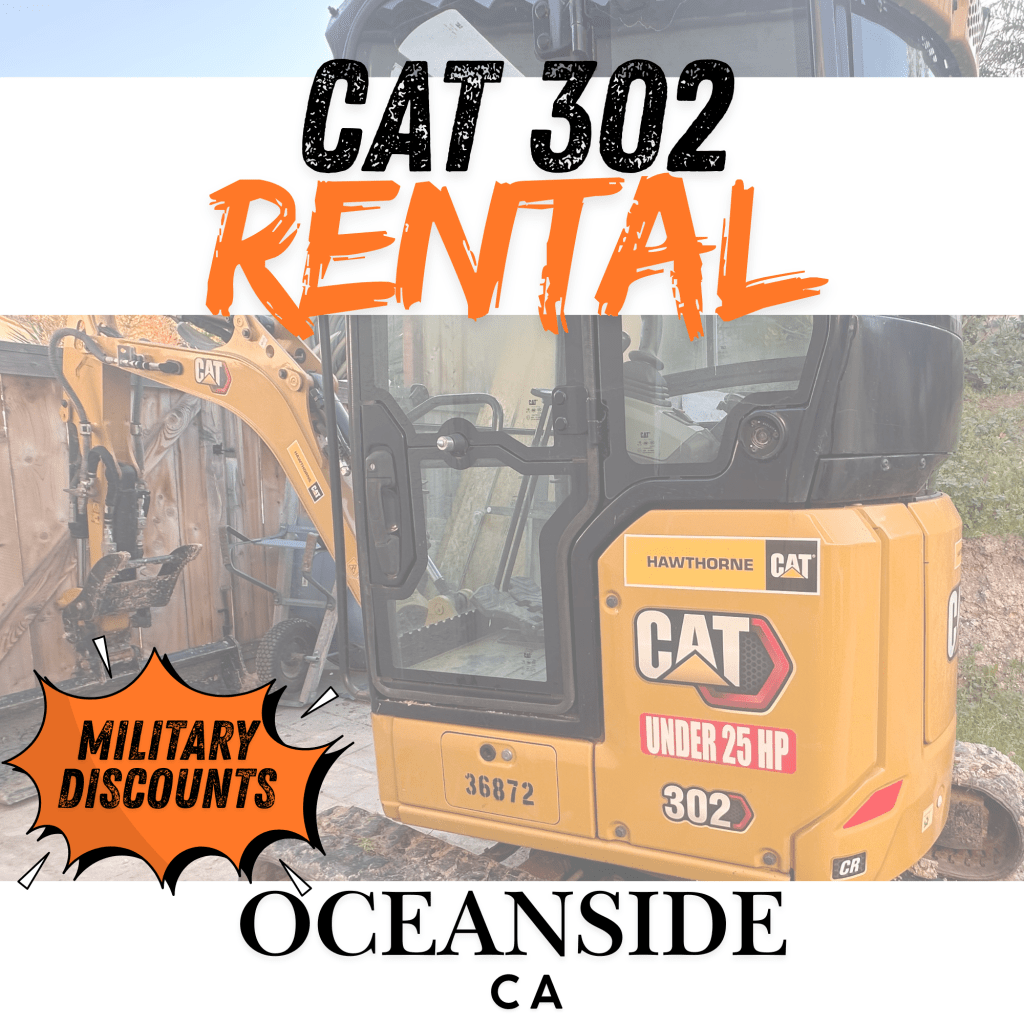


To form an LLC in California for operating or renting out a dump/dirt trailer and a Cat 302 mini excavator, file Form LLC-1 online with the California Secretary of State. Because heavy equipment hauling and excavation carry high liability risks, pairing the LLC with proper asset titling and commercial insurance is essential to protect your personal assets.
1. Step-by-Step Formation (California)
- Choose a Business Name. Pick a name that includes “LLC” or “Limited Liability Company” and verify availability on the California Secretary of State bizfile Online portal. Avoid restricted words (like “Bank” or “Trust”), and keep the name broad enough (e.g., Coastal Dirt & Hauling LLC) in case you add more equipment later.
- Appoint an Agent for Service of Process. Designate a person or registered agent company with a physical California street address (not a P.O. Box) to receive legal notices.
- File Articles of Organization (Form LLC-1). Submit Form LLC-1 directly through bizfile Online for a $70 filing fee.
- Get an EIN & Open a Business Bank Account. Apply for a free Employer Identification Number (EIN) on the IRS website, then open a dedicated business checking account. Never mix personal and business funds, or you risk losing your LLC’s liability protection.
- Draft an Operating Agreement. Create a written Operating Agreement outlining ownership and management rules. California requires LLCs to maintain one internally, even for single-member LLCs, though it is not filed with the state.
- File Your Initial Statement of Information (Form LLC-12). Submit Form LLC-12 online within 90 days of formation ($20 fee).
2. California State Fees & Taxes (2026)
| Requirement | Agency / Form | Cost & Timing |
|---|---|---|
| Articles of Organization | CA Secretary of State (Form LLC-1) | $70 (one-time at formation) |
| Statement of Information | CA Secretary of State (Form LLC-12) | $20 (within 90 days, then every 2 years) |
| Annual Franchise Tax | CA Franchise Tax Board (Form 3522) | $800/year (first payment due 15th day of the 4th month after filing) |
| Gross Receipts Fee | CA Franchise Tax Board | $0 under $250,000 in CA gross receipts (starts at $900 at $250k+) |
3. Equipment-Specific Steps (Trailer & Cat 302)
- Title and Register in the LLC’s Name. Transfer the title and DMV registration of the dirt trailer (and commercial tow vehicle, if dedicated to the business) into the LLC’s legal name, and ensure your Cat 302 bill of sale/financing reflects the LLC as the owner.
- Check Contractor Licensing Rules. In California, if you operate the Cat 302 to perform excavation, grading, or earthwork for clients where labor and materials total $500 or more, you generally need a C-12 (Earthwork and Paving) or Class A license from the Contractors State License Board (CSLB). If you are strictly renting out the bare equipment (no operator) or hauling clean dirt/materials without performing site work, contractor licensing rules differ.
- Verify Commercial Trucking & DOT Requirements. A Cat 302 CR weighs roughly 4,987 lbs. Combined with a heavy-duty dump/equipment trailer and tow truck, your Gross Combined Weight Rating (GCWR) will likely exceed 10,001 lbs (and potentially 26,001 lbs), which triggers California Motor Carrier Permit (MCP), USDOT number, and commercial driver’s license (CDL) requirements.
- Secure Commercial Insurance. Standard personal auto and homeowners policies will not cover commercial hauling or excavation. Obtain commercial general liability (specifically rated for site prep/excavation or equipment rental), commercial auto for the truck and trailer, and inland marine coverage for the Cat 302.
- Obtain a Local Business License. Register for a business license with the city or county where your business is based (for example, the City of Oceanside or San Diego County).

