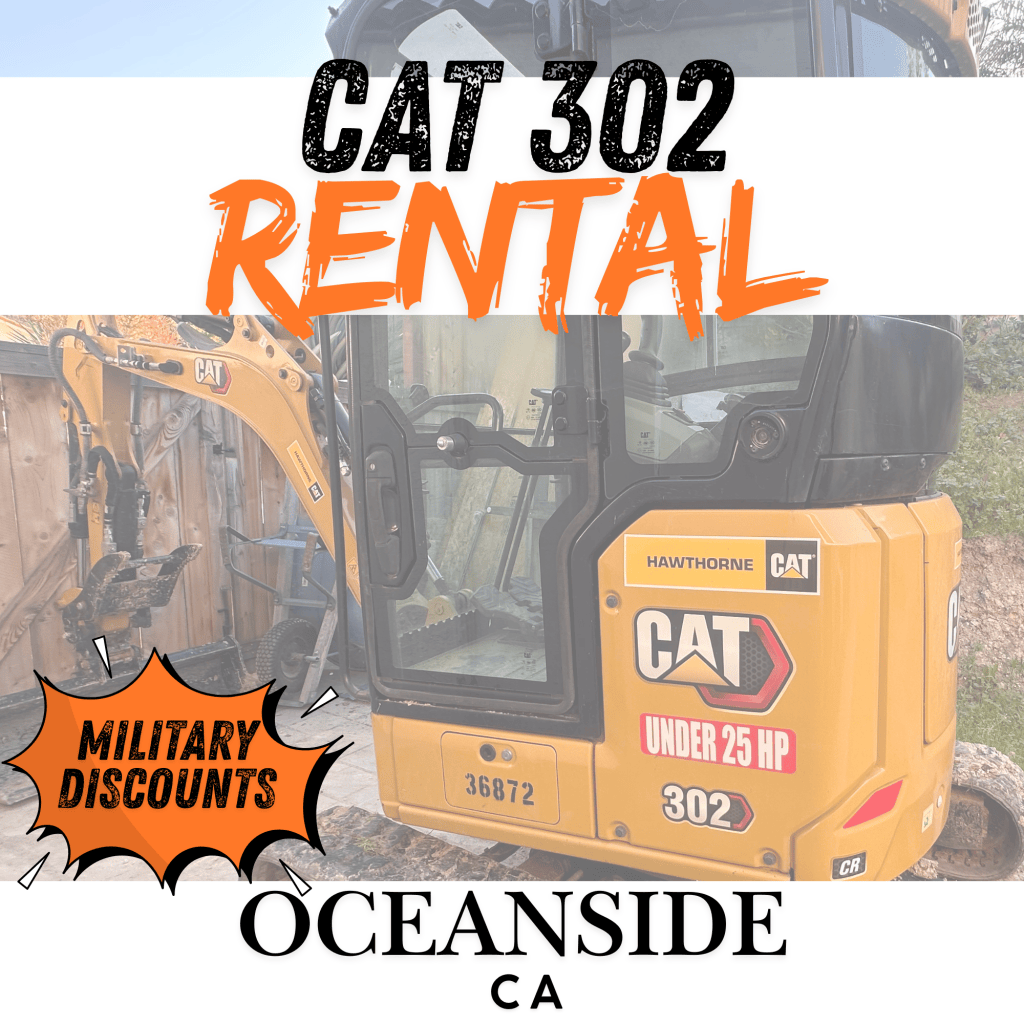


Do not “sell” the equipment to your company—instead, contribute it as a tax-free capital contribution, which eliminates sales tax, avoids personal capital gains tax, and still lets you deduct the equipment’s value on your taxes.
Selling your own Cat 302 and dirt trailer to a business you own creates unnecessary taxes and paperwork in California. Whether you stay a Sole Proprietorship/Partnership or form an LLC, contributing the equipment directly to the business gives you the exact same tax write-offs with zero out-of-pocket tax penalties.
1. Why “Contributing” Beats “Selling” in California
| Method | Sales / Use Tax | Personal Income Tax | Business Tax Deduction |
|---|---|---|---|
| Selling to your company | Triggers CA sales/use tax (~7.75%–8.25% in Oceanside/SD County) unless a narrow exemption applies. | Triggers taxable personal gain if sold above your adjusted basis. | Deductible via depreciation, but offset by the taxes you just paid. |
| Capital Contribution (Recommended) | $0 (Transferring property into a newly formed business solely in exchange for ownership interest is exempt from CA sales/use tax under CDTFA Regulation 1595). | $0 (Tax-free transfer under IRC Section 721 for partnerships/multi-member LLCs, or a non-taxable personal-to-business conversion for sole proprietors). | Full depreciation deduction based on the lower of your original purchase price or current Fair Market Value (FMV). |
Note on Vehicle/Trailer Transfers: For the dirt trailer, transferring title into an LLC/partnership solely as a capital contribution with no money changing hands also qualifies for a California DMV Use Tax Exemption (Form REG 256)—you only pay a small ~$15–$27 title transfer fee.
2. Step-by-Step: How to Transfer the Equipment for Maximum Tax Benefit
Step 1: Document the Equipment’s Value Today
Before using the equipment for rentals, establish its starting tax basis:
- Pull your original receipts/bills of sale for the Cat 302 and the dirt trailer.
- Print 2–3 comparable local listings (e.g., Machinery Trader, Craigslist, Facebook Marketplace in Southern California) showing their current Fair Market Value (FMV).
- Current Fair Market Value (FMV) in Southern California averages $29,500–$38,900 for a used Cat 302 series mini excavator and $6,800–$11,500 for a standard dump trailer. [1, 2]
- Below are comparable active listings from Machinery Trader and Craigslist in California to use as documentation for your equipment valuation.
- Cat 302 Mini Excavator Comparables
- 2023 Caterpillar 302CR Excavator — $38,900. Listed on Machinery Trader (Chula Vista / Holt of CA) with 686 operating hours (Serial #RHM05203).
- 2023 Caterpillar 302.7CR Mini Excavator — $34,250. Listed on Machinery Trader (Chico, CA) with 1,513 hours, rubber tracks, open ROPS, auxiliary hydraulics, and quick attach.
- 2023 Caterpillar 302CR Excavator — $33,000. Listed via Asset Re-Source featuring rubber tracks, hydraulic coupler, and auxiliary hydraulics. [1, 2, 3]
- Dirt / Dump Trailer Comparables
- : 2020 Iron Bull Dump Trailer — $7,800. Listed by owner on San Diego Craigslist (Escondido, CA).
- : 8′ x 12′ x 3′ Dump Trailer — $8,999. Listed by owner on San Diego / Inland Empire Craigslist (San Bernardino, CA).
- : 14′ x 8′ x 4′ Dump Trailer — $11,400. Listed by owner on Los Angeles Craigslist alongside comparable 7′ x 14′ units priced between $9,200 and $11,500. [1, 2, 3]
- For tax depreciation, your starting basis is whichever number is lower: what you originally paid or what it is worth today.
Step 2: Execute a Simple Bill of Contribution (Cost: $0)
- If operating as a Sole Proprietorship: No title transfer or legal transfer is needed—you and the business are the same tax entity. Simply record the date you placed the Cat 302 and trailer “in service” for the rental business in your accounting spreadsheet.
- If operating as a Partnership or LLC: Write a 1-page Capital Contribution Agreement stating that you are transferring ownership of the Cat 302 (include serial/PIN number) and dirt trailer (include VIN) to the company in exchange for your ownership share, for $0 cash consideration.
- For the Dirt Trailer: Take the pink slip (Certificate of Title) and a DMV Statement of Facts (Form REG 256) checking the exemption box for transfer without change in ownership/consideration to the Oceanside DMV to put the title in the company name.
- For the Cat 302: Tractors/excavators do not have DMV titles; your signed Capital Contribution Agreement and updated UCC/insurance policy serve as proof of ownership.
Step 3: Claim Your Tax Write-Offs (2026 Tax Rules)
Once the equipment is placed in service for your rental business, you unlock major tax deductions:
- MACRS Depreciation (5-Year Recovery): Heavy construction equipment (Cat 302) and commercial trailers depreciate over a 5-year schedule on IRS Form 4562, reducing your taxable rental income each year.
- 100% Bonus Depreciation (2026): Under current 2026 federal tax rules (restored under the One Big Beautiful Bill Act), qualifying used equipment acquired and placed in service in 2026 is eligible for 100% first-year bonus depreciation. (Important caveat: If you already owned the equipment personally in a prior year and are now converting it to business use, it typically must use standard 5-year MACRS depreciation rather than Section 179 or Bonus Depreciation—a CPA can confirm based on the exact date you originally bought it).
- 100% Operating Expense Deductions: Immediately deduct every dollar spent on hydraulic fluid, filters, grease, trailer tires, commercial insurance, straps/chains, and marketing against your rental income.
3. Watch Out for One California Rule: Personal Property Tax (Form 571-L)
In California, once business equipment (like a Cat 302 and trailer) is owned by a business, the San Diego County Assessor requires businesses with $100,000+ in business property (or upon request) to file a Business Property Statement (Form 571-L) each spring, which carries a small annual county property tax (~1.1% of assessed value). Keep your purchase and valuation records organized so you aren’t over-assessed.

