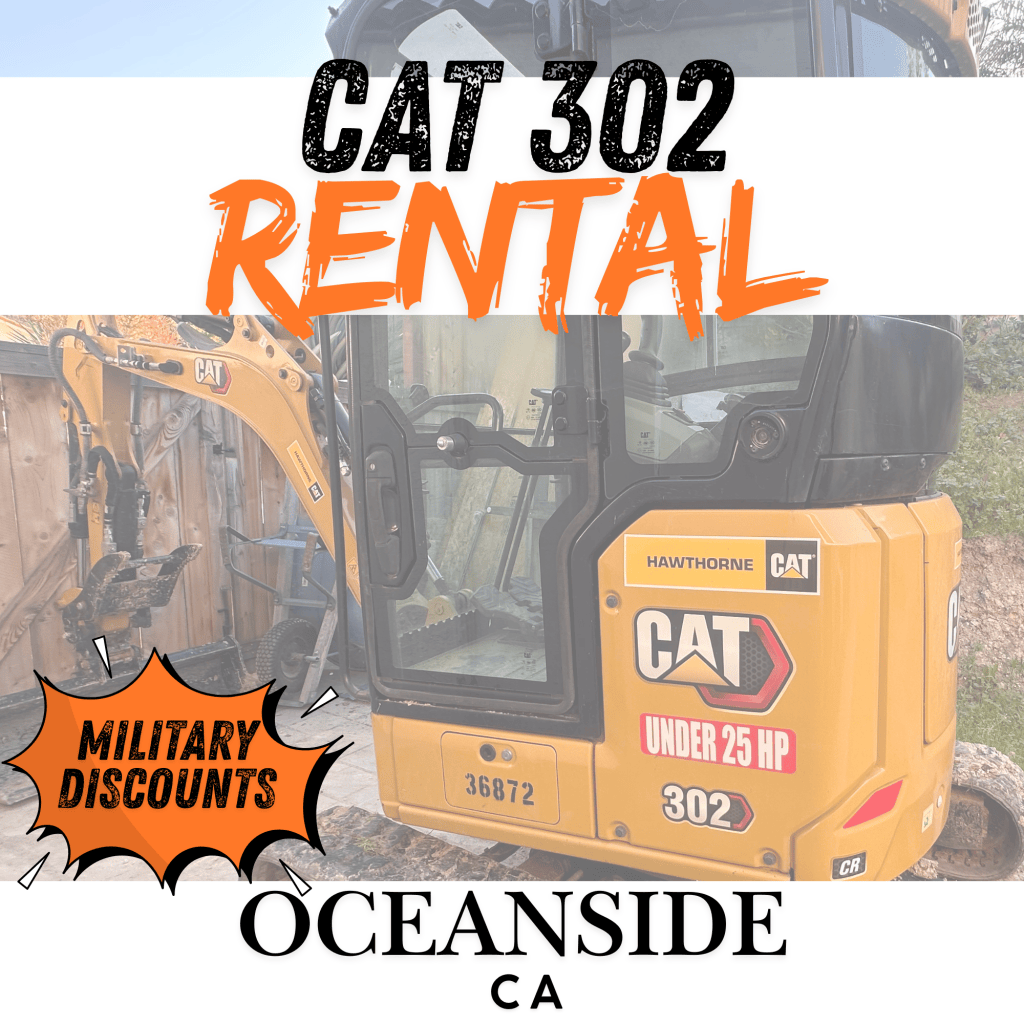


Skip forming an LLC for now and launch as a Sole Proprietorship with a DBA, reserving your cash strictly for liability insurance and basic rental contracts.
In California, forming an LLC immediately triggers $890+ in mandatory state fees ($70 filing + $20 Statement of Information + $800 annual Franchise Tax) before you earn a single dollar. Since your goal is to launch a bare-equipment rental business with zero upfront bloat, starting as a sole proprietorship (or general partnership if there are two of you) lets you start operating legally for under $100.
1. The Zero-Bloat Launch Plan (California)
| Step | Action | Cost | Why It Works |
|---|---|---|---|
| 1. Business Structure | Operate as a Sole Proprietorship (1 owner) or General Partnership (2+ owners) | $0 | No state formation fees and no $800/year California Franchise Tax. |
| 2. Business Name (DBA) | File a Fictitious Business Name (FBN) with the San Diego County Assessor/Recorder/County Clerk | ~$54 (plus ~$30–$50 newspaper publication) | Allows you to operate and accept checks under a company name (e.g., Oceanside Dirt & Equipment Rentals). |
| 3. Tax ID (EIN) | Apply directly on the IRS EIN Assistant | $0 | Keeps your Social Security Number off vendor forms and lets you open a free business bank account. |
| 4. Business Banking | Open a free online business checking account (e.g., Bluevine, Relay, or a local credit union) | $0 | Separates rental income and fuel/maintenance write-offs from personal money without monthly maintenance fees. |
| 5. Local Business License | Register with the City of Oceanside Business License Division (or San Diego County if unincorporated) | ~$50–$100 | Required to operate legally locally; based on low starting gross receipts. |
Note: If you already own the trailer and Cat 302 personally, you do not need to pay DMV title transfer fees or sales/use tax to move them into a sole proprietorship.
2. Why Bare Equipment Rental Saves You Thousands
Because you are renting out the equipment rather than operating it on job sites yourself:
- No Contractor’s License Needed: You avoid the expensive CSLB testing, bonding, and licensing process required for paid excavation work.
- Lower Commercial Auto Hurdles: If customers tow the trailer with their own 3/4-ton or 1-ton truck, you avoid commercial trucking permits and DOT weight compliance—though you must verify their hitch rating, brake controller, and auto insurance before they leave your yard.
3. The Two Non-Negotiables (Where to Spend Your First Dollars)
Operating without an LLC means your personal assets aren’t separated by a corporate shield, so contracts and insurance are what actually protect you:
- Ironclad Rental Agreement ($0 DIY): Draft a strict rental contract that every customer signs before hitching up. Include:
- Hold Harmless & Indemnification Clause shifting liability for accidents, property damage, and utility strikes onto the renter.
- Damage & Cleaning Waiver specifying hourly fuel/cleaning fees and repair responsibility for hydraulic hoses, tracks, or trailer tires.
- Pre-Rental Photo Checklist documenting equipment condition and hour-meter readings at pickup and return.
- Short-Term Rental / Inland Marine Insurance: Standard personal policies exclude commercial rentals. Look into peer-to-peer equipment rental platforms (like EquipmentShare, Yard Club, or Renti) or specialty equipment rental policies—many platforms build damage waivers and liability coverage directly into the transaction fee so you pay $0 upfront until the machine actually rents.
4. When to Upgrade to an LLC
Wait until your rental income consistently covers the $800/year California Franchise Tax (for example, once you clear $3,000–$5,000 in profit). At that point, you can use your rental profits—not your personal savings—to pay for the LLC filing and commercial umbrella insurance.

